
antique silver mirror
Understanding the Dial Cylinder Bore Gauge A Precision Tool for Engineers and Mechanics In the world of engineering, precision is key. One vital tool that helps achieve this meticulous standard is the dial cylinder bore gauge. This instrument is designed to measure the internal diameter of a cylinder, ensuring that components fit together accurately in machinery, engines, and various mechanical systems. Understanding the functionality, significance, and proper usage of a dial cylinder bore gauge is essential for engineers and mechanics who aim for excellence in their craft. What is a Dial Cylinder Bore Gauge? A dial cylinder bore gauge is an instrument used to measure the bore diameter of cylindrical objects, such as engine cylinders, hydraulic cylinders, and other tubular components. The gauge comprises a frame, measuring spindles, and a dial indicator. The key component, the dial indicator, displays the measurement, allowing users to assess how closely the bore matches the desired specifications. Importance of Accurate Measurements In mechanical engineering and manufacturing, maintaining strict tolerances is critical. An incorrect bore diameter can lead to poor fits between parts, resulting in increased wear, decreased efficiency, and potential mechanical failure. For instance, in an engine, if the bore is too large, it can lead to excessive movement of the piston, while a bore that is too small can result in failure to accommodate the piston, leading to catastrophic engine failure. As such, utilizing a dial cylinder bore gauge helps ensure that these issues can be prevented. How to Use a Dial Cylinder Bore Gauge Using a dial cylinder bore gauge requires precision and a careful approach. Here are the steps typically involved in taking a measurement 1. Preparation Before taking any measurements, ensure that both the bore gauge and the cylinder are clean and free from debris. Any particles can lead to inaccurate readings. dial cylinder bore gauge 2. Zeroing the Gauge Insert the gauge into the bore and expand the measuring spindles until they make contact with the wall of the cylinder. Adjust the dial indicator to zero. This will allow for easier reading of the bore's diameter. 3. Taking the Measurement Slowly remove the gauge from the bore. Take note of the reading on the dial indicator. It's advisable to perform measurements at various points along the cylinder's length and in different directions (horizontal and vertical) to get an accurate average diameter. 4. Recording Results Document the measurements obtained for reference. This data is essential for determining if the cylinder meets engineering specifications. 5. Analyzing Results After recording the measurements, analyze them against the tolerances and specifications required for your project. If any deviations are found, further assessment and corrective actions may be necessary. Maintenance and Calibration Like any precision instrument, maintaining and calibrating the dial cylinder bore gauge is essential. Regular checks should be performed to ensure its accuracy. Calibration can typically be done using a gauge block or a precisely dimensioned standard. Additionally, storing the gauge properly and keeping it clean will enhance its longevity and performance. Conclusion The dial cylinder bore gauge is an indispensable tool in the field of engineering and mechanics, facilitating accurate measurements that are fundamental for building reliable machinery. By understanding how to use this tool correctly and maintaining it in top condition, engineers can ensure that their work meets the highest standards of quality. In the highly competitive landscape of mechanical engineering, the accuracy and reliability of each component can mean the difference between success and failure, making the dial cylinder bore gauge an essential ally in the quest for precision.
about
antique silver mirror
Die Taper-Gauge-Messung Ein Überblick Die Taper-Gauge-Messung ist eine präzise Methode zur Bestimmung von Durchmessern und Abmessungen von zylindrischen Objekten. Diese Technik wird häufig in verschiedenen Industrien eingesetzt, insbesondere in der Fertigung und Qualitätskontrolle. Die Hauptvorteile der Taper-Gauge-Messung liegen in ihrer Genauigkeit und Benutzerfreundlichkeit. Die Taper-Gauge-Messung Ein Überblick Ein signifikanter Vorteil der Taper-Gauge-Messung ist ihre Schnelligkeit. Während andere Messmethoden aufwendigere Einstell- und Kalibrierungsprozesse erfordern, kann ein Taper-Gauge während des Produktionsprozesses schnell angewendet werden. Dies ermöglicht eine sofortige Rückmeldung und Anpassungen, was die Effizienz in der Fertigung erheblich steigert. taper gauge measurement Die Genauigkeit der Taper-Gauge-Messung hängt von mehreren Faktoren ab, einschließlich der Qualität des Messwerkzeugs und der Erfahrung des Benutzers. Hochwertige Taper-Gauges bestehen aus speziellen Materialien, die eine genaue und langlebige Messtechnik gewährleisten. Zudem erfordert die effektive Nutzung des Taper-Gauges eine gewisse Erfahrung, um sicherzustellen, dass die Messung korrekt und konsistent durchgeführt wird. Zusätzlich zur industriellen Anwendung finden sich Taper-Gauges auch in Forschungs- und Entwicklungslabors. Hier unterstützen sie Ingenieure und Wissenschaftler bei der Erstellung präziser Prototypen und der Durchführung von Experimenten, die exakte Maße erfordern. Insgesamt ist die Taper-Gauge-Messung eine unverzichtbare Technik in der modernen Fertigung und Qualitätskontrolle. Die Kombination aus einfacher Anwendung, Schnelligkeit und hoher Genauigkeit macht sie zu einem bevorzugten Instrument für viele Fachleute. Durch kontinuierliche Verbesserungen in der Instrumententechnologie wird die Bedeutung der Taper-Gauge-Messung in der Zukunft voraussichtlich weiter zunehmen. Somit bleibt die Taper-Gauge-Messung ein Schlüsselfaktor für die Gewährleistung der Produktqualität in einer Vielzahl von Branchen und trägt entscheidend zur Effizienz und Kostensenkung bei, indem sie den Bedarf an aufwendigen Messverfahren reduziert.
-

High quality industrial productsagement

High quality industrial products
View Details -

Meet the diverse needs of customers

Meet the diverse needs of customers
View Details -

Strict quality control

Strict quality control
View Details -

Top raw materials

Top raw materials
View Details -

Trusted supplier

Trusted supplier
View Details
Our application
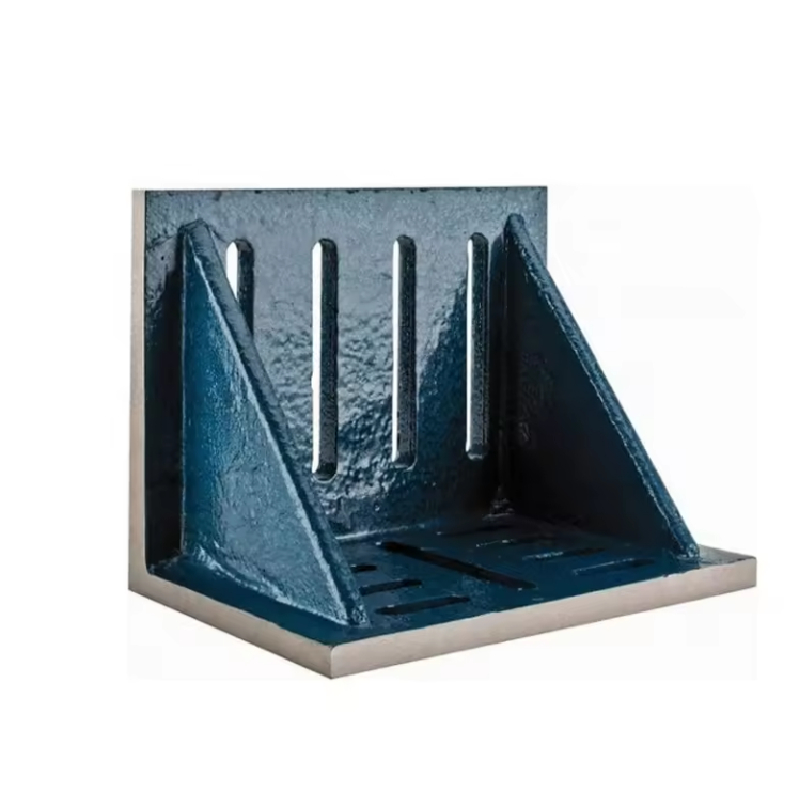
news and information

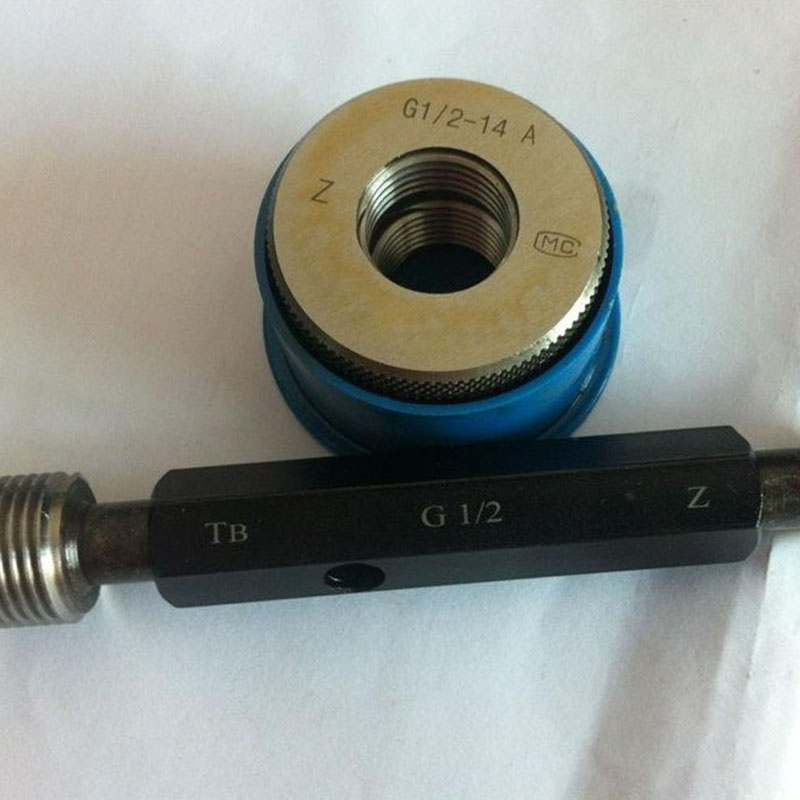
Using Taper Plug Gauge for Precision Inspection and Measurement in Manufacturing Processes
Understanding Taper Plug Gauges Their Purpose and Application in Quality Control Taper plug gauges a
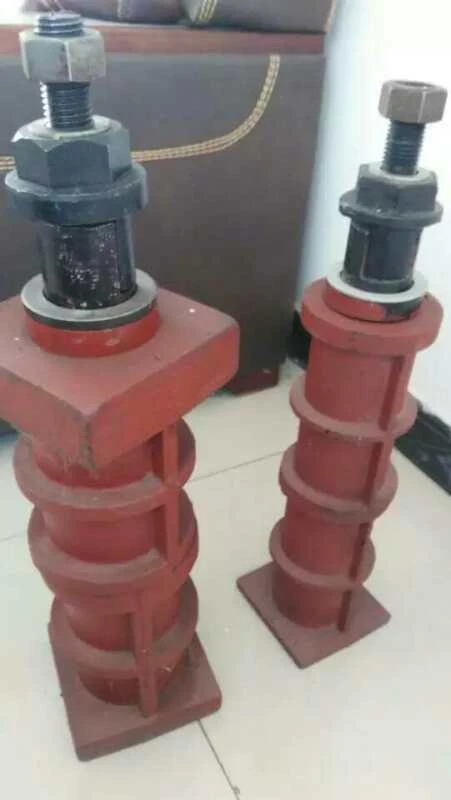
Versatile mushroom-shaped rebar cap with multiple functions
The Multi-Function Mushroom Rebar Cap Revolutionizing Construction Efficiency In the dynamic world
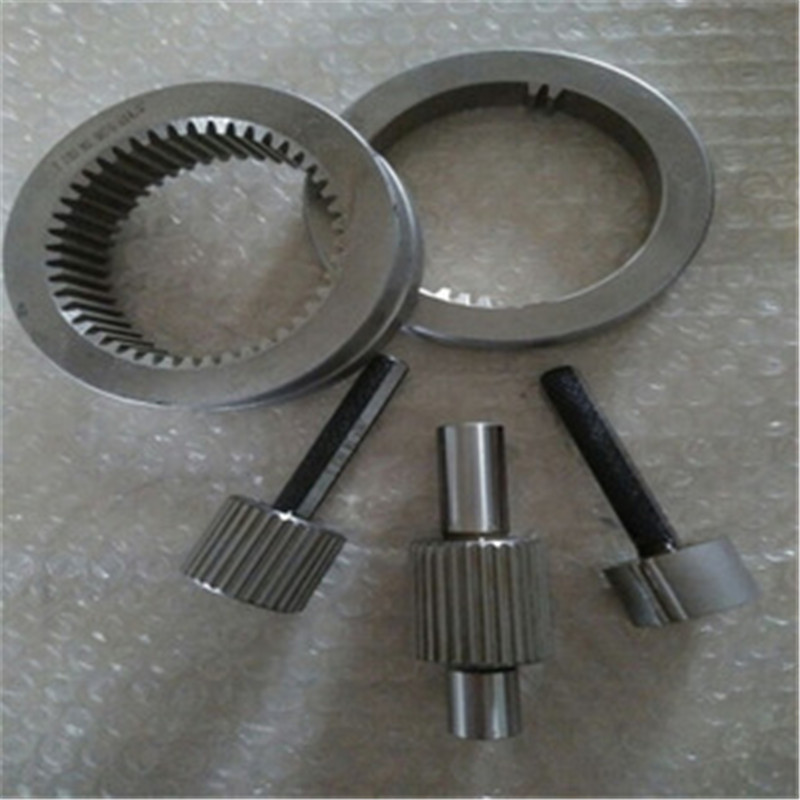
v block v block
Understanding V Block A Fundamental Tool in Manufacturing and Engineering In the world of manufactur
 English